Inflation ticked higher in May as American consumers continued to face elevated fuel prices amid the Iran war’s impact on the energy market and across the economy.
The Bureau of Labor Statistics (BLS) said on Wednesday that the consumer price index (CPI) – a broad measure of how much everyday goods like gasoline, groceries and rent cost – rose 0.5% from a month ago and is 4.2% higher than a year ago. The annual figure is the highest since April 2023.
Both the 0.5% monthly increase and the 4.2% rise from a year ago were in line with the expectations of economists polled by LSEG.
So-called core prices, which exclude volatile measurements of gasoline and food to better assess price growth trends, were up 0.2% on a monthly basis and 2.9% from a year ago. The monthly figure was slightly cooler than the expected rise of 0.3%, while the annual core figure was in line with economists’ predictions.
INFLATION IS SQUEEZING AMERICAN CONSUMERS AND THE FED’S LATEST REPORT SHOWS IT’S GETTING WORSE
High inflation has created severe financial pressures in recent years for most U.S. households, which are forced to pay more for everyday necessities like food and rent. Price hikes are particularly difficult for lower-income Americans, because they tend to spend more of their already-stretched paychecks on necessities and have less flexibility to save.
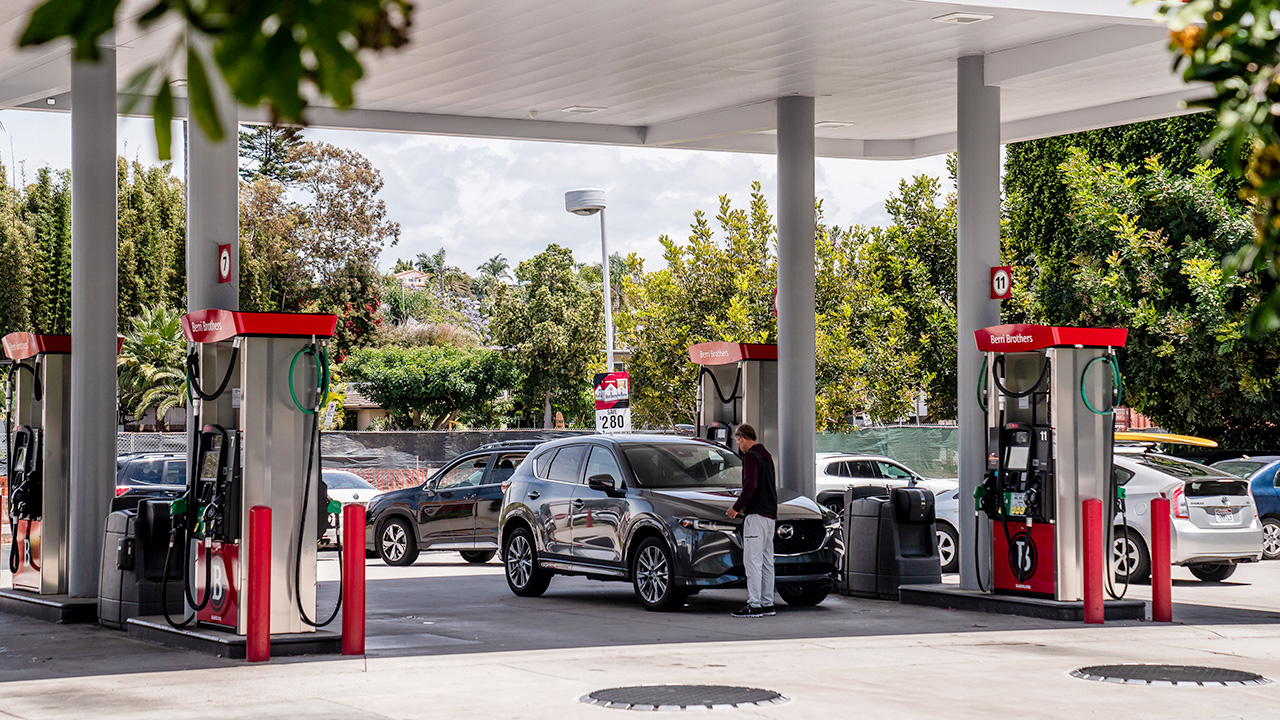
Energy prices rose 3.9% in May amid the Iran war’s disruption of Middle Eastern oil supplies, with prices up 23.5% in the last year. The BLS noted that the energy index accounted for over 60% of the overall CPI increase in May.
Gasoline prices increased 7% on a monthly basis in May and are up 40.5% compared with a year ago. Electricity prices rose 0.6% last month and are up 5.9% from a year ago. Utility gas service prices fell 0.5% in May and are up 3% year over year.
Food prices were up 0.2% in May and are 3.1% higher than a year ago. The food at home index was up 0.1% for the month and 2.7% compared with last year. The food away from home index rose 0.3% on a monthly basis and 3.5% year over year.
Meats, poultry and fish prices were down 0.4% in May but are up 6.2% from last year. Beef and veal prices fell 1.6% for the month but remain up 12.9% on an annual basis. Egg prices increased 4% in May but are down 35.2% year over year as supply normalized after an avian flu outbreak. Fruits and vegetables prices rose 0.2% for the month and are up 6.1% from a year ago.
Housing prices were up 0.3% in May and are 3.4% higher than a year ago. Tenants’ and household insurance prices were up 0.5% on a monthly basis and 6.9% year over year.
Transportation service prices were down 0.6% in May and are up 4.1% from a year ago. Airline fares accounted for much of the increase, as they rose 2.7% in May and are up 26.7% from last year.
US ECONOMY ADDED 172,000 JOBS IN MAY, BEATING EXPECTATIONS
Ellen Zentner, chief economic strategist for Morgan Stanley Wealth Management, said that, “While today’s numbers weren’t as bad as some people feared, inflation remains well above target.”
“With higher oil prices, AI-induced inflation, and tariffs driving up goods prices, the Fed will remain patiently on the sidelines. We are watching if the re-acceleration in the labor market is sustained and spills over into higher services pricing,” Zentner added.
Angelo Kourkafas, senior global strategist for investment strategy at Edward Jones, said that the CPI data gives the Fed “some breathing room to remain patient as the energy supply shock plays out. If oil prices don’t make another run higher, inflation will likely peak this quarter and begin easing in the back half of the year.”
The Federal Reserve is expected to hold interest rates steady when policymakers meet next week for their first interest rate decision under new Fed Chair Kevin Warsh.
The market sees a 96.3% chance that the benchmark federal funds rate remains at its current target of 3.5% to 3.75% after the June meeting, according to the CME FedWatch tool. The tool also sees interest rate hikes as being more likely than cuts heading into this fall.
AI REMAINS TOP REASON FOR US JOB CUTS FOR THIRD STRAIGHT MONTH AS EMPLOYERS AXED 97,000 WORKERS IN MAY
Futures for the benchmark S&P 500 index were down about 0.5% following the release of the inflation report ahead of the market open.
“The CPI report should help reassure investors and the Fed that inflation is not running wild,” said Scott Helfstein, head of investment strategy at Global X ETFs. “While the headline number moved higher, the pace of price increases slowed from the prior month. Higher energy costs continue to drive inflation, but that was baked in.”
GET FOX BUSINESS ON THE GO BY CLICKING HERE
Bret Kenwell, eToro U.S. investment analyst, said the inflation report coming in at a level in line with expectations “may give markets a bit of relief” after there’s “been a palpable jitteriness among investors worried about the Fed’s next move.”
“Bulls had been riding a wave of momentum thanks to renewed strength in the AI trade. That surging tide in tech was enough to lift the broader market – even as the S&P 500’s ten other sectors have yet to hit record highs this quarter like the index has,” Kenwell added.